
Chethan Digital Academy

Uncategorized

Artificial Intelligence in Digital Marketing.
Uncategorized

Artificial Intelligence in Digital Marketing: Transforming the Future of Online Strategy

In the fast-paced digital era, businesses are constantly searching for innovative ways to improve efficiency and connect better with customers. One of the most revolutionary shifts in recent years is the integration of artificial intelligence in digital marketing. From automating campaigns to analyzing data in real-time, AI is transforming the way businesses interact with their audience. Whether you’re running a small online store or managing marketing for a large enterprise, understanding how artificial intelligence in digital marketing works can give you a significant competitive edge. What Is Artificial Intelligence in Digital Marketing? Artificial intelligence in digital marketing uses AI-powered technologies to enhance marketing performance and customer targeting. By applying machine learning algorithms, predictive analytics, and natural language processing, marketers can automate repetitive tasks and make smarter decisions. AI tools like chatbots, programmatic advertising, and personalized recommendations help deliver more relevant user experiences. It also supports real-time campaign optimization, improves content creation workflows, and offers advanced consumer behavior insights. Integrating artificial intelligence in digital marketing allows businesses to increase efficiency, boost engagement, and create data-driven strategies that outperform traditional methods. Key Applications of AI in Digital Marketing Artificial intelligence in digital marketing is revolutionizing how brands connect with consumers. AI enables predictive analytics to forecast user behavior and enhance campaign outcomes. Chatbots and virtual assistants provide instant customer support, improving engagement. Through programmatic advertising, AI automates real-time ad buying for better targeting. Tools using machine learning help personalize content, segment audiences, and recommend products based on user interests. AI also powers email marketing automation, optimizing send times and subject lines. These applications of artificial intelligence in digital marketing increase efficiency, boost conversions, and deliver a more personalized user experience. 1. Customer Behavior Analysis AI tools can analyze user behavior across platforms—website clicks, social media interactions, and purchase history. This helps in building detailed customer profiles and delivering highly targeted content. 2. Chatbots and Virtual Assistants AI-powered chatbots provide 24/7 customer service. They answer queries instantly, improve engagement, and collect valuable data—all without human intervention. 3. Content Creation and Curation AI can help marketers generate content suggestions, blog outlines, subject lines, and even short-form articles. It also curates content based on user interests to keep audiences engaged. 4. Email Campaign Optimization AI analyzes how users interact with emails (open rates, click rates) and adjusts subject lines, send times, and frequency for better performance. 5. Programmatic Advertising AI automates ad buying in real-time, ensuring your ads reach the right audience at the right time for the best ROI. Benefits of Using Artificial Intelligence in Digital Marketing Implementing artificial intelligence in digital marketing offers significant advantages for businesses aiming to scale and personalize their strategies. AI helps improve customer targeting, enhance campaign optimization, and increase marketing ROI. With tools like predictive analytics, real-time data processing, and automated content creation, marketers can make faster, more accurate decisions. Chatbots provide 24/7 customer support, while machine learning algorithms help personalize user experiences across channels. By streamlining processes and improving accuracy, artificial intelligence in digital marketing reduces costs, boosts engagement, and helps brands stay ahead in a highly competitive digital landscape. Popular AI Tools in Digital Marketing Several powerful tools support the use of artificial intelligence in digital marketing, helping brands automate and optimize their efforts. Google Ads Smart Bidding uses machine learning algorithms to maximize ROI. ChatGPT and Jasper AI assist with automated content creation, while HubSpot enables predictive analytics and smart customer segmentation. Grammarly enhances email and blog quality using natural language processing. Canva Magic Write and SurferSEO streamline content planning and optimization. These tools demonstrate how artificial intelligence in digital marketing can boost productivity, personalize communication, and simplify complex marketing workflows across platforms. The Future of Digital Marketing with AI The future of artificial intelligence in digital marketing promises even greater innovation and efficiency. As machine learning evolves, marketers will benefit from enhanced predictive analytics, hyper-personalized user experiences, and smarter campaign automation. AI will further refine audience segmentation, enabling brands to deliver the right message at the right time. With tools like voice search optimization, AI-driven content creation, and real-time data insights, businesses can stay agile and competitive. In the coming years, artificial intelligence in digital marketing will not just support marketers—it will redefine how marketing strategies are built, executed, and scaled. Conclusion The use of artificial intelligence in digital marketing is no longer optional—it’s essential. From improving personalization to automating campaigns, AI empowers marketers to achieve better results with less effort. Embracing AI tools helps you stay ahead of the competition and create meaningful connections with your audience. 📩 Want to master AI tools and strategies for digital marketing? 👉 Visit the Chethan Digital Academy Contact Form and connect with our expert trainers. Learn how to implement AI in your marketing campaigns and gain hands-on experience that will transform your digital future. Don’t just follow the trend—lead it.
Uncategorized

Email Marketing Strategy: A Powerful Tool to Boost Engagement and Conversions

In today’s digital world, businesses need to stay connected with their audience across multiple platforms. Among all the digital channels, email continues to be one of the most reliable and cost-effective ways to engage customers. An effective Email Marketing Strategy can help you build trust, drive traffic, nurture leads, and increase conversions. What Is an Email Marketing Strategy? An Email Marketing Strategy is a planned approach to sending targeted, personalized emails to build relationships and drive conversions. It includes audience segmentation, crafting engaging content, and using email automation tools to streamline campaigns. By setting clear marketing goals and analyzing open rates, click-through rates, and conversion metrics, businesses can refine their approach. A strong Email Marketing Strategy enhances customer engagement, supports lead nurturing, and contributes to overall digital marketing success. When executed effectively, it becomes a cost-effective way to connect with your audience and grow your brand. 🔍 Why Is Email Marketing Still Relevant? Despite the rise of social media and messaging apps, a strong Email Marketing Strategy remains one of the most effective ways to reach your audience. With high ROI, personalized communication, and direct inbox access, email is unmatched in driving customer engagement. It enables targeted email campaigns, supports automated workflows, and allows for detailed performance tracking through open rates, CTR, and conversion metrics. Email also plays a key role in lead nurturing and customer retention, making it a crucial component of any digital marketing plan. With so many platforms like social media and instant messaging, many wonder if email is still effective. The answer is a resounding yes. Here’s why: Components of a Successful Email Marketing Strategy A strong Email Marketing Strategy includes several essential components that drive performance and engagement. It begins with audience segmentation, allowing marketers to send targeted email campaigns based on behavior or interests. Crafting personalized email content boosts open and click rates, while using email automation tools ensures timely delivery and consistency. Setting clear marketing goals, implementing A/B testing, and tracking key metrics like open rates and CTR are crucial for continuous improvement. By focusing on list building, content planning, and campaign analysis, your strategy becomes more effective and results-driven. To build an impactful Email Marketing Strategy, consider these key components: 1. Define Your Goals Know what you want—brand awareness, traffic, sales, or lead nurturing. Every campaign should align with a measurable objective. 2. Build and Segment Your Email List Segmenting your list allows you to target users based on behavior, preferences, or demographics. This improves open and click-through rates. 3. Craft Compelling Content Your subject line should spark curiosity, and your email content must offer value. Use strong CTAs, relevant visuals, and mobile-friendly design. 4. Automate Where Possible Use automation tools to send welcome emails, abandoned cart emails, birthday wishes, and follow-ups. This is crucial for scaling your efforts. 5. Measure and Optimize Track open rates, click-through rates, bounce rates, and conversions. Use this data to improve future campaigns. With these steps, your Email Marketing Strategy can evolve into a revenue-generating machine. Benefits of a Strong Email Marketing Strategy An effective Email Marketing Strategy offers measurable advantages for businesses of all sizes. It improves customer engagement by delivering personalized email campaigns directly to inboxes. With email automation, brands can nurture leads, increase conversion rates, and enhance customer retention. Tracking open rates, CTR, and campaign performance helps marketers make data-driven decisions and optimize future efforts. A well-planned strategy supports brand awareness, drives website traffic, and aligns with your broader digital marketing goals. Compared to other channels, email marketing provides high ROI and fosters stronger, long-term relationships with your audience. Boosts EngagementPersonalized emails keep your audience informed and involved. Increases SalesPromotional emails and discount offers often lead directly to conversions. Builds LoyaltyRegular emails with helpful content show you care, building long-term customer trust. Saves TimeAutomation tools streamline repetitive tasks, freeing up time for strategy. Easy IntegrationYour Email Marketing Strategy can seamlessly connect with CRMs, social platforms, and ad tools. Tools to Support Your Email Marketing Strategy Conclusion Creating a powerful Email Marketing Strategy isn’t just about sending emails—it’s about building relationships. With the right goals, tools, and techniques, you can stay connected, drive results, and grow your business steadily. Are you ready to take your digital marketing skills to the next level? 👉 Visit the Chethan Digital Academy Contact Form and get personalized training on email marketing, automation, and the best strategies for your business. Our team will guide you in building campaigns that deliver real engagement and results.

Google Analytics for websites.
Uncategorized

Google Analytics for Websites: Unlocking the Power of Data

In today’s digital-first world, having a website is only the beginning. What truly matters is how well your website performs—and more importantly, how well you understand its performance. This is where Google Analytics for websites plays a game-changing role. Google Analytics is one of the most powerful free tools available for business owners, marketers, and web developers. Whether you’re running a small blog, an e-commerce store, or a corporate website, Google Analytics for websites can help you monitor traffic, track user behavior, and make smarter decisions to grow your online presence. 📊What Is Google Analytics? Google Analytics for websites is a powerful tool that helps businesses monitor and optimize their online presence. It provides detailed website traffic analysis, allowing you to understand how users interact with your site. With the Google Analytics dashboard, you can view real-time website data, track website visitors, and monitor engagement through pageview tracking. It also offers in-depth Google Analytics reports that highlight user behavior, traffic sources, and conversions. By using these insights, website owners can make informed decisions to enhance performance and improve their marketing strategies effectively. When properly installed on your site, Google Analytics for websites allows you to collect real-time data that can be segmented and analyzed. This helps you answer key questions such as: 🎯 Why Is Google Analytics Important for Your Website? Google Analytics for websites is essential for understanding how your site performs and how users interact with it. With tools like bounce rate analysis, traffic source identification, and goal tracking, it helps uncover what’s working and what needs improvement. You gain insight into user behavior, session duration, and conversion paths, making it easier to optimize your site for better results. By leveraging audience insights and campaign performance data, businesses can create smarter strategies, boost ROI, and stay competitive in the digital landscape. Simply put, Google Analytics is the backbone of successful website decision-making. Here’s why it’s essential: 🔍 Key Features of Google Analytics One of the biggest advantages of using Google Analytics for websites is access to powerful features that provide in-depth insights. It offers real-time data tracking to monitor live visitor activity. You can view audience demographics to understand who your users are, while acquisition reports show where your traffic is coming from—including referral traffic. Conversion tracking and event tracking help measure specific user actions and goals. Additional features like session duration and user retention offer detailed engagement metrics. These insights empower website owners to make data-driven decisions that enhance performance and increase ROI. 💡 How to Use Google Analytics for Websites Effectively To get the most out of Google Analytics for websites, start by properly setting up Google Analytics with clear goal tracking and event tracking setup. Use UTM parameters to track campaigns and create custom dashboards for quick insights. Analyze traffic source comparison, bounce rate, and behavior flow to understand user journeys. Segment your audience by new vs returning users, devices, or locations for deeper analysis. Integrate with Google Ads to optimize paid campaigns and use funnel visualization to monitor conversion paths. These steps help you make informed, data-driven decisions to grow your online performance. 🚀 Benefits of Google Analytics for Websites Google Analytics for websites offers unmatched value by turning visitor data into actionable insights. It helps monitor website traffic, track user behavior, and improve conversion rates. With features like audience segmentation, real-time traffic monitoring, and page performance metrics, you can optimize every part of your site. It supports data-driven decisions by showing which traffic sources bring the most value and how users engage across devices. Integrating it with tools like Google Ads enhances campaign tracking and ROI measurement. Ultimately, Google Analytics empowers businesses to enhance user experience and drive strategic growth online. Here’s a quick summary of the benefits: Conclusion If you’re serious about growing your website and making smarter marketing decisions, Google Analytics for websites is a tool you can’t afford to ignore. It gives you the visibility and control needed to succeed in today’s competitive online world. Ready to take the next step? 👉 Visit the Chethan Digital Academy Contact Form today and connect with our digital experts. We’ll guide you step-by-step on how to implement Google Analytics effectively, read reports confidently, and turn your website data into real business growth.

How Google Ads Works.
Uncategorized

How Google Ads Works: A Beginner’s Guide to Smart Advertising

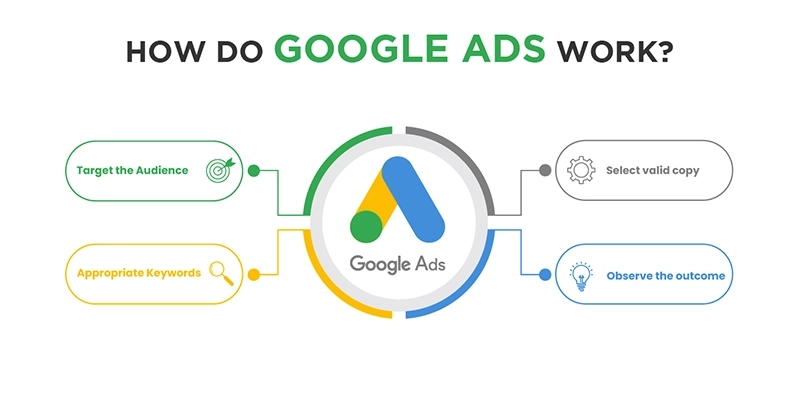
In today’s digital world, businesses need more than just a website to succeed. They need visibility, traffic, and most importantly—sales. That’s where Google Ads comes in. If you’re wondering how Google Ads works, you’re not alone. It’s one of the most powerful tools in digital marketing, and understanding how it functions can significantly impact your business growth. This blog will walk you through how Google Ads works, why it’s effective, and how you can use it strategically to get results. What Is Google Ads? Google Ads is an online advertising platform developed by Google that allows businesses to run targeted ads across the search engine marketing (SEM) landscape. It operates on a pay-per-click advertising (PPC) model, where advertisers pay only when users click their ads. With Google Ads, you can launch a tailored Google Ads campaign across the display network and search results. It also acts as an integration tool for apps, helping to automate marketing workflows and streamline campaign performance. Google Ads empowers brands to reach the right audience, drive traffic, and achieve measurable growth through strategic online advertising. ⚙️ How Google Ads Works: The Core Process Now, let’s break down how Google Ads works step by step: 1. Keyword Selection In understanding how Google Ads works, keyword selection plays a vital role. Advertisers start with keyword research to find relevant search terms that potential customers use. Tools like Google Keyword Planner help identify high-traffic and long-tail keywords that match user search intent. Choosing the right mix of competitive keywords and niche terms ensures better visibility and ad performance. Proper keyword selection helps ads appear to the right audience, improving click-through rates and conversions. Effective campaigns always begin with strategic keyword planning that aligns with business goals and audience needs. 2. Ad Auction A key part of understanding how Google Ads works is knowing the Ad Auction process. When someone searches on Google, a real-time bidding system determines which ads appear. This is known as the Google Ads bidding system. Advertisers enter a bid, usually based on a cost-per-click (CPC) model, to compete for ad placement. However, the highest bid doesn’t always win. Google also considers ad rank, which is calculated using your bid amount and quality score—a metric based on ad relevance, landing page experience, and expected CTR. This ensures users see the most useful and high-quality ads. 3. Ad Rank & Quality Score Understanding how Google Ads works requires a look at Ad Rank and Quality Score, which are crucial in determining your ad’s position in the Google Ads auction. Quality Score components include ad relevance, expected click-through rate (CTR), and landing page experience. Google evaluates how well your ad matches the user’s intent, how likely users are to click it, and whether your landing page offers value. Keyword quality also plays a role, ensuring the right keywords trigger relevant ads. A high Quality Score means better visibility, lower costs, and stronger overall campaign performance. 4. User Clicks on Your Ad A critical step in understanding how Google Ads works is what happens when a user clicks on your ad. This click reflects strong ad engagement and shows that your ad relevance and keywords align with user intent. When your ad receives more ad impressions and encourages user interaction, it increases the chances of conversions. Through conversion tracking, you can measure actions users take after clicking—like filling out a form or making a purchase. Tracking this data helps you evaluate the performance of each campaign and refine your ads to drive better results and ROI over time. 💡 Why Google Ads Is Effective One of the main reasons why businesses use it is because Google Ads works based on user intent. If someone searches for “buy running shoes online,” they’re already looking to buy. You’re simply offering them the solution they need—right when they need it. Additionally, Google Ads offers precise targeting options: 📊 Measuring Success To fully understand how Google Ads works, you also need to measure performance. Google provides detailed analytics: Conclusion Google Ads is a powerful and flexible advertising platform that can help businesses of any size attract high-quality traffic and boost conversions. Knowing how Google Ads works empowers you to create smarter ad campaigns that deliver measurable results. If you’re ready to take your Google Ads knowledge to the next level, we’re here to help! 👉 Visit Chethan Digital Academy‘s Contact Form today to speak with our expert team. We’ll guide you step by step through setting up, running, and optimizing your Google Ads campaigns for success. Chethan Digital Academy – Learn. Launch. Lead.

Best Digital Marketing Tools to Boost Your Online Success
Uncategorized

Best Digital Marketing Tools for Online Success

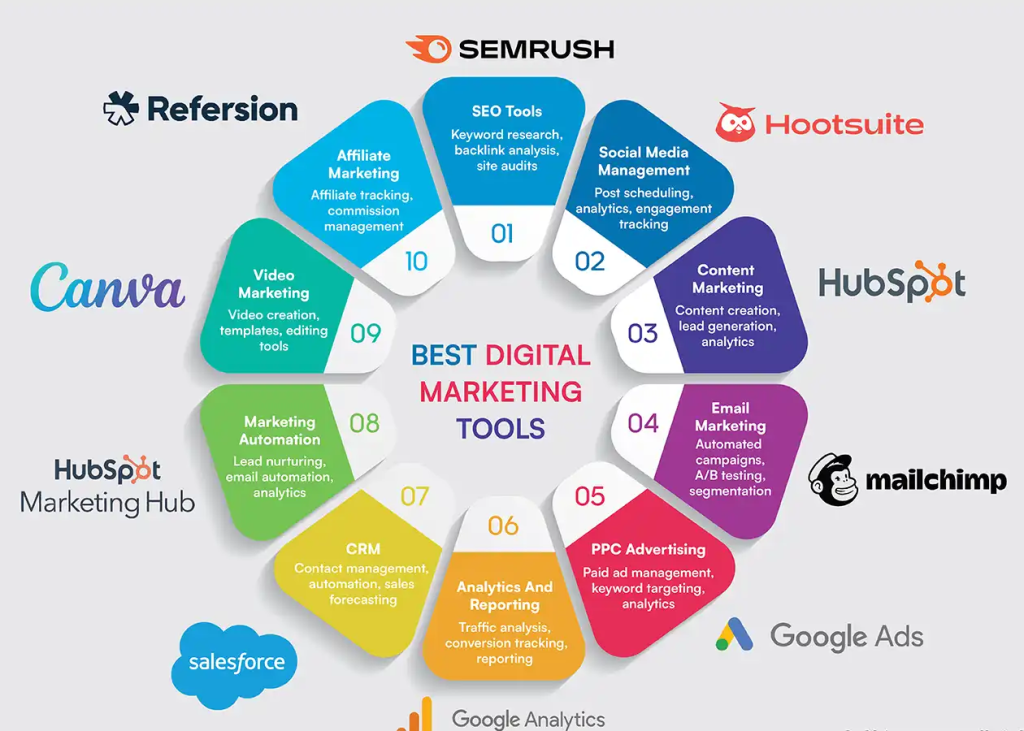
In the ever-evolving world of online marketing, staying competitive means using the right tools to streamline your efforts, analyze data, and reach your target audience effectively. Whether you’re managing SEO, running ads, or crafting email campaigns, the best digital marketing tools help you work smarter, not harder. With thousands of tools available in the market, choosing the right ones can feel overwhelming. That’s why we’ve curated a list of the best digital marketing tools every marketer or business owner should consider in 2025. 1. Google Analytics – Know Your Audience Google Analytics is one of the best digital marketing tools for gaining deep insights into your online performance. It offers powerful features like website traffic analysis, allowing businesses to understand where visitors come from and which pages attract the most views. Through user behavior tracking, marketers can monitor how users interact with the site, identify drop-off points, and optimize the customer journey. With real-time analytics, you can track user actions as they happen, helping make immediate data-driven decisions. For any business looking to improve digital marketing performance, Google Analytics is an essential and reliable tool. 2.SEMrush – Master Your SEO Game SEMrush is one of the best digital marketing tools trusted by professionals worldwide. As a powerful keyword research tool, it helps you identify high-traffic search terms relevant to your niche. Its advanced SEO audit features allow you to spot technical issues that affect site performance. With in-depth competitor analysis, you can monitor rivals’ strategies, backlinks, and top-performing content. SEMrush also provides insights into your search engine rankings, helping you track keyword positions and visibility over time. Whether you’re a beginner or expert, SEMrush gives you everything needed to optimize your digital presence and outperform the competition. 3.Mailchimp – Simplify Email Marketing Mailchimp is one of the best digital marketing tools for small businesses and marketers looking to streamline their email strategy. It offers powerful email marketing automation features that save time and increase engagement. With its intuitive email campaign builder and drag-and-drop email editor, you can create professional-looking emails without any coding skills. Mailchimp also excels in audience segmentation, allowing you to send personalized messages based on customer behavior, location, or interests. Whether you’re nurturing leads or launching promotions, Mailchimp helps you connect with your audience effectively and boost your email marketing performance effortlessly. 4.Canva – Create Stunning Visuals Easily Canva is one of the best digital marketing tools for creating eye-catching content quickly and easily. With its drag-and-drop editor, even beginners can design without experience. Canva offers a wide range of social media post templates, making it ideal for brands looking to stay consistent online. You can create everything from infographics and flyers to YouTube thumbnails, Instagram graphics, presentation slides, and even logo and banner design. Its intuitive interface and pre-made layouts allow marketers to produce professional-looking visuals that enhance brand identity and engagement across all platforms, making Canva a must-have creative tool. 5.Hootsuite – Manage Social Media in One Place Hootsuite is one of the best digital marketing tools for businesses looking to streamline their online presence. As a powerful social media management tool, it allows you to schedule social media posts across multiple platforms with ease. Its multi-platform posting feature lets you manage Facebook, Twitter, Instagram, and more—all from a single dashboard. Hootsuite also includes a built-in content calendar to plan and organize campaigns, along with detailed social media analytics to track performance. With real-time engagement tracking, you can respond to comments, monitor brand mentions, and stay connected with your audience instantly across all channels. 6.Google Ads – Reach Customers Instantly Google Ads is one of the best digital marketing tools for businesses looking to grow quickly through a paid advertising platform. It enables you to run pay-per-click (PPC) campaigns such as Google search ads, display advertising, and YouTube ads to reach your audience instantly. With advanced keyword targeting, advertisers can ensure their ads appear to the right users. Google Ads offers powerful features like conversion tracking, local advertising, and remarketing campaigns to maximize ROI. Its flexible bidding strategy and wide target audience reach make it an essential tool for online visibility and lead generation. 7.Ahrefs – Deep Dive into Backlinks and Content Ahrefs is one of the best digital marketing tools for SEO professionals and marketers seeking deep data insights. As a powerful backlink analysis tool, it helps identify link-building opportunities and analyze referring domains. Its SEO competitor research and keyword explorer features reveal what’s driving traffic to competing websites. Ahrefs also offers a domain authority checker, organic traffic insights, and a comprehensive site audit tool to fix technical issues. You can monitor search visibility, assess keyword difficulty scores, and even use the broken link checker to improve content performance. Ahrefs provides everything needed for high-impact SEO strategy. 8.Zapier – Automate Repetitive Tasks Zapier is one of the best digital marketing tools for boosting productivity through workflow automation. It allows users to connect apps without coding, making it easy to streamline tasks across platforms. As a powerful integration tool for apps, Zapier helps automate marketing workflows, from syncing leads to sending follow-up emails. Its features as a no-code automation tool make it ideal for marketers without technical skills. You can schedule automated tasks with ease, saving time on repetitive work. From lead generation automation to acting as a smart task scheduler tool, Zapier simplifies your marketing operations efficiently. Choosing the Right Tools Not all tools are one-size-fits-all. The best digital marketing tools for your business depend on your goals, audience, and budget. Start by identifying your biggest marketing challenges—whether it’s traffic, conversions, or engagement—and select tools that address those needs directly. Conclusion Digital marketing becomes far more effective and manageable when you use the right tools. From SEO and email to analytics and design, the best digital marketing tools help you save time, scale faster, and achieve better results. Investing in these tools is not just about convenience—it’s about growing your business smartly and strategically. 👉 Ready to take your digital marketing skills to

Uncategorized

Content Marketing Strategy: The Foundation of Digital Growth

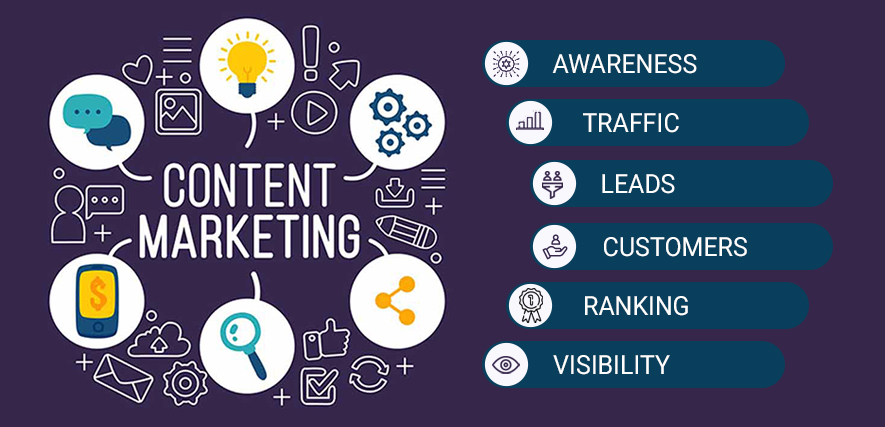
In the digital age, consumers are flooded with information. Brands that survive and thrive are those that create consistent, meaningful, and engaging content. A well-crafted content marketing strategy allows businesses to deliver the right message to the right audience at the right time. It’s no longer just about promoting your product—it’s about providing value, building trust, and driving long-term business growth. Whether you’re a small business owner or a marketing professional, understanding how to develop and execute an effective content marketing strategy can give you a significant edge in today’s competitive online landscape. 1. What is Content Marketing? A solid content marketing strategy focuses on creating and distributing valuable, relevant, and consistent content to attract and retain a clearly defined audience. Rather than pushing products directly, content marketing builds trust by delivering educational content, storytelling, and solution-driven articles. It plays a vital role in inbound marketing, helping generate leads, improve SEO rankings, and boost brand awareness. Through blogs, videos, social media, and email campaigns, a smart content marketing strategy enhances engagement, increases website traffic, and nurtures long-term customer relationships. It’s a long-term approach that drives profitable customer actions through meaningful content. 2.Why Content Marketing Strategy Matters A well-crafted content marketing strategy is essential for any brand aiming to grow online. It provides a clear plan to create and distribute valuable content that resonates with your audience. By focusing on audience needs, it improves brand visibility, builds customer trust, and supports lead generation. It also strengthens SEO performance by consistently delivering keyword-rich blogs, videos, and social posts. With a strong content marketing strategy, businesses can maintain a consistent brand voice, enhance customer engagement, and drive meaningful traffic. It aligns your marketing goals with audience expectations to boost conversions and long-term loyalty. 3.Key Components of a Successful Content Marketing Strategy A powerful content marketing strategy is built on key components that drive visibility and engagement. It starts with audience research to understand pain points, interests, and behaviors. Next is content planning, where you define topics, formats (blogs, videos, infographics), and publishing schedules. Strong keyword research supports SEO optimization for better search rankings. Incorporating a clear brand voice, consistent content distribution channels, and measurable KPIs ensures lasting impact. Using content calendars and analytics tools helps maintain consistency and improve performance. A smart content marketing strategy turns your content into a valuable, results-driven business asset. To build an effective content marketing strategy, include these essential elements: When all these components come together, your content marketing strategy becomes a roadmap for sustainable digital growth. 4.How to Measure Success To evaluate your content marketing strategy, it’s crucial to track key performance indicators (KPIs) that align with your business goals. Metrics like website traffic, bounce rate, average session duration, and conversion rate reveal how well your content is performing. Tools such as Google Analytics and SEO platforms help monitor organic search rankings, engagement rates, and lead generation. Measuring success also involves analyzing social media shares, email click-through rates, and content ROI. By regularly reviewing these insights, you can refine your content marketing strategy to drive better results and sustainable growth. Tracking these metrics regularly helps you evaluate which content performs well and which needs improvement. This data-driven approach allows your content marketing strategy to evolve, getting better over time. 5.Common Mistakes to Avoid Even a great content marketing strategy can fail if common mistakes are ignored. One major error is creating content without a clear target audience in mind, which leads to low engagement. Neglecting SEO best practices can hurt your visibility in search engines. Inconsistent publishing, poor content quality, and lack of content planning disrupt brand trust. Skipping performance analysis means missed opportunities for improvement. Ignoring content promotion—via email, social media, or paid ads—limits reach. A successful content marketing strategy must be consistent, data-driven, and aligned with user intent to deliver real business impact. A successful content marketing strategy is about building trust. It’s not just what you say, but how and when you say it. Conclusion In a world where content rules digital engagement, a well-planned content marketing strategy is your ticket to visibility, credibility, and business growth. It helps you connect with your audience, solve their problems, and guide them from interest to action. It takes time, consistency, and expertise—but the results are worth the effort. If you’re ready to build a strategy that brings real, measurable results… 👉 Visit Chethan Digital Academy’s Contact Form and get in touch with our team today!We’ll help you create a personalized content marketing strategy tailored to your business goals and audience.Let’s grow your brand with the power of content.

Uncategorized

Social Media Marketing Platforms: Choosing the Right One for Your Business

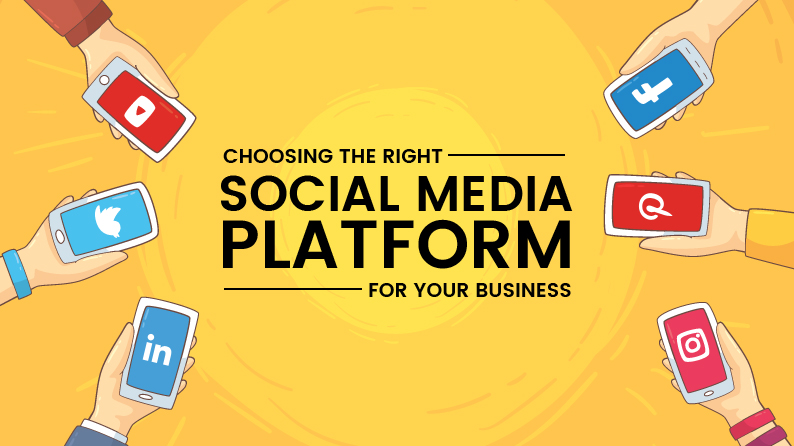
In the ever-evolving world of digital marketing, social media has become one of the most powerful tools for connecting with audiences, building brand awareness, and driving conversions. But with so many channels available, businesses often wonder where they should invest their time and resources. Choosing the Social media marketing Platforms depends on your audience, goals, and the type of content you want to share. 1.Facebook Facebook for social media marketing platforms is a powerful tool for businesses to reach broad and targeted audiences. With over 2.9 billion active users, it enables brands to run paid ad campaigns, build business pages, and engage through organic content. Facebook’s ad targeting options—based on demographics, interests, and behaviors—help increase brand visibility and drive lead generation. Marketers also benefit from Facebook Insights for performance tracking and content optimization. Whether it’s video marketing, event promotions, or community building, using Facebook marketing tools can significantly enhance your overall social media strategy. 2. Instagram Instagram for social media marketing platforms offers a visually rich environment ideal for building brand identity and engaging younger audiences. With features like Instagram Stories, Reels, Live video, and shoppable posts, businesses can create dynamic content that drives user interaction and brand awareness. The platform supports influencer marketing, targeted paid advertising, and hashtag campaigns to increase discoverability. Instagram Insights provides analytics on engagement, reach, and demographics to help fine-tune strategy. Leveraging Instagram marketing tools is essential for brands looking to enhance their social media presence, connect authentically, and convert followers into loyal customers. 3. LinkedIn LinkedIn for social media marketing platforms is ideal for B2B marketing, professional networking, and building brand authority. Businesses use LinkedIn company pages, sponsored content, and InMail campaigns to connect with decision-makers and industry professionals. It’s a powerful platform for lead generation, content marketing, and thought leadership. With LinkedIn Analytics, marketers can track engagement, reach, and audience demographics. Sharing articles, insights, and company updates helps increase brand credibility and organic visibility. Leveraging LinkedIn marketing tools is essential for companies aiming to grow in the B2B digital marketing space. 4. YouTube YouTube for social media marketing platforms offers immense potential for businesses to reach global audiences through engaging video content. Brands use YouTube channels to showcase product demos, share how-to tutorials, and tell compelling brand stories. With tools like YouTube Ads, SEO optimization, and audience analytics, marketers can boost visibility and drive targeted traffic. Video marketing increases engagement, improves brand recall, and supports lead generation. YouTube’s integration with Google Ads enhances ad targeting based on user behavior. Leveraging YouTube marketing strategies helps brands build authority and foster long-term audience relationships. 5.TikTok TikTok for social media marketing platforms has become a game-changer for brands aiming to connect with younger, highly engaged audiences. With its short-form video format, TikTok enables creative storytelling, viral trends, and authentic content. Businesses use TikTok Ads, influencer partnerships, and branded hashtags to boost brand visibility and user engagement. The TikTok algorithm promotes discoverability, making it easier for content to reach the right audience. Marketers leverage video challenges, behind-the-scenes content, and product showcases to drive interaction. Incorporating TikTok marketing strategies into your digital plan can enhance reach, relevance, and customer loyalty. 6. Pinterest Pinterest for social media marketing platforms is ideal for brands focused on visual discovery and long-term engagement. With Pinterest boards, Pins, and rich visual content, businesses can drive traffic to blogs, product pages, and landing pages. It’s especially effective for industries like fashion, home decor, beauty, and food. Marketers use Pinterest Ads, keyword-rich descriptions, and Pinterest Analytics to target niche audiences and improve search visibility. The platform also supports evergreen content, making it a powerful tool for continuous lead generation. Leveraging Pinterest marketing strategies helps increase reach, brand discovery, and conversion rates. Conclusion Choosing the Social media marketing Platforms requires understanding where your audience spends time and what kind of content resonates with them. Each platform offers unique strengths—Facebook for broad reach, Instagram for visual branding, LinkedIn for professional engagement, YouTube for depth, TikTok for virality, and Pinterest for niche inspiration. To succeed, don’t spread yourself too thin. Focus on 2–3 platforms that align with your business goals, master them, and then expand if needed. Need help getting started with the right social media strategy? 👉 Contact Chethan Digital Academy today through our contact form and let our experts help you select the Social media marketing Platforms tailored to your business goals!

Uncategorized

SEO in Digital Marketing: Why It’s Essential for Online Growth

In the modern business landscape, a strong online presence isn’t optional—it’s essential. One of the most powerful tools to grow your brand online is SEO in Digital Marketing. SEO, or Search Engine Optimization, is the process of improving your website to increase its visibility on search engines like Google. When done effectively, SEO drives high-quality traffic to your site without the need for constant advertising spend. 1.Understanding the Role of SEO SEO in digital marketing plays a foundational role in improving a website’s visibility and driving organic traffic. Search Engine Optimization (SEO) involves optimizing your website’s content, structure, and technical aspects to rank higher on search engine results pages (SERPs). By targeting relevant keywords, creating high-quality content, and ensuring fast loading speeds and mobile responsiveness, SEO helps attract the right audience. It also builds credibility and trust with both users and search engines. Understanding the role of SEO allows businesses to reach their target market effectively, increase brand awareness, and generate long-term results in their digital marketing strategy. 2.Why SEO Matters for Every Business Every business needs strong online visibility, and that’s where SEO in Digital Marketing becomes essential. A well-optimized website improves your page rank, helping you appear higher in search engine results. This directly boosts organic traffic, connecting your business with potential customers who are actively searching for your products or services. Unlike paid ads, SEO delivers long-term value by increasing credibility and online reach. With consistent efforts in SEO in Digital Marketing, businesses of all sizes can improve their page rank, attract more qualified traffic, and build a sustainable presence in an increasingly competitive digital marketplace. 3. Building Trust and Authority Building trust and authority is essential for success in SEO in Digital Marketing. Establishing a strong relationship with your audience through valuable content and consistent messaging builds long-term credibility. A genuine commitment to quality, transparency, and user satisfaction signals trustworthiness to both users and search engines. Earning backlinks from reputable websites helps expand your network and boosts your domain authority. These trust signals improve your rankings, increase organic visibility, and attract loyal visitors. In the competitive digital space, SEO in Digital Marketing thrives on relationships, trust, and a committed strategy that strengthens your brand’s reputation and online success. 4.Enhancing User Experience Enhancing user experience is a crucial part of SEO in Digital Marketing. A well-optimized website must perform smoothly across desktop and mobile devices, offering fast load times, intuitive navigation, and responsive design. High-quality header images help grab attention and create a visually appealing first impression. Integrating social media links and share options also encourages user engagement and expands your reach. When users enjoy their experience on your site, they stay longer and interact more—boosting SEO performance. By focusing on functionality and design, SEO in Digital Marketing ensures that user experience supports both visibility and conversions. 5. Supporting Your Overall Marketing Strategy SEO in Digital Marketing plays a vital role in supporting your overall marketing strategy by driving long-term results. It focuses on traffic building by improving your site’s visibility in search engine results, attracting the right audience at the right time. With proper keyword targeting and content optimization, SEO increases organic reach and boosts conversion rates. Additionally, SEO is measurable—through tools like Google Analytics, you can track user behavior, identify top-performing pages, and refine your strategy. By aligning SEO with your broader marketing goals, businesses gain sustainable growth, increased ROI, and better customer engagement across all digital platforms. Conclusion To succeed online, your business needs to be visible, credible, and easy to find. That’s the power of SEO in Digital Marketing. It helps your website rise in search rankings, attract organic traffic, build brand authority, and convert visitors into customers. Unlike paid ads, SEO works around the clock—delivering long-term results that grow with your business. If you’re ready to get serious about SEO and want expert help tailored to your goals, now is the time to act. 👉 Visit Chethan Digital Academy’s Contact Form and reach out to our experienced team today. We’ll help you implement effective SEO strategies and take your digital presence to the next level.Chethan Digital Academy – Your Partner in Digital Growth.

Uncategorized

Web Design in Digital Marketing for Better Results

In today’s digital age, your website is often the first impression customers get of your brand. That’s why Web Design in Digital Marketing for Better Results is not just a trend—it’s a necessity. A well-designed website doesn’t just look good; it performs well, ranks high in search engines, and converts visitors into loyal customers. Web design is the foundation of your digital presence. From layout and color schemes to navigation and mobile responsiveness, every detail influences how users interact with your content. A strategic design helps your marketing campaigns succeed by improving user experience and supporting your brand message. 1. A Strong First Impression Drives Engagement In digital marketing, web design plays a critical role in making a strong first impression that drives user engagement. Your website is often the first point of contact between your brand and potential customers. A visually appealing, user-friendly, and responsive design immediately captures attention and encourages visitors to explore further. Key elements like fast loading speed, clear navigation, and mobile optimization enhance user experience and reduce bounce rates. A well-designed website not only builds trust and credibility but also supports your SEO, content marketing, and conversion goals—making web design a vital component of successful digital marketing. 2. User Experience (UX) Is Key to Conversions In the world of digital marketing, web design must prioritize user experience (UX) to drive conversions. A website that is easy to navigate, visually appealing, and optimized for all devices keeps visitors engaged and encourages them to take action. Good UX design reduces friction in the customer journey, making it simple for users to find information, fill out forms, or make purchases. Elements like fast loading times, intuitive layout, and clear calls-to-action (CTAs) directly impact conversion rates. By focusing on UX, businesses can turn more visitors into leads or customers, making it a crucial part of effective web design in digital marketing. 3. SEO and Web Design Go Hand in Hand In digital marketing, the connection between SEO and web design is essential for online success. A well-designed website not only attracts visitors visually but also supports search engine optimization efforts. Elements like clean code, mobile responsiveness, fast loading speeds, and structured content improve both user experience and search engine rankings. Proper use of header tags, image optimization, and internal linking within the web design helps search engines crawl and index your site effectively. When SEO and web design work together, your website becomes more visible, drives organic traffic, and enhances overall performance—making them inseparable in successful digital marketing strategies. 4. Consistent Branding Builds Trust In digital marketing, web design plays a vital role in delivering consistent branding, which is key to building trust with your audience. From color schemes and typography to logos and messaging, every visual element on your website should reflect your brand identity. A consistent design across all pages creates a professional and reliable image, helping visitors feel confident in your products or services. When users recognize and relate to your brand visually and emotionally, they are more likely to engage, return, and convert. Strong, consistent branding through web design strengthens credibility and supports long-term digital marketing success. 5. Conversion Elements That Work In digital marketing, effective web design includes key conversion elements that guide users toward taking action. These elements include clear and compelling calls-to-action (CTAs), easy-to-use contact forms, trust signals like testimonials and reviews, and strategically placed buttons that encourage clicks. A clean layout, persuasive copy, and optimized visuals help reduce distractions and keep the user focused on the goal. Whether it’s signing up for a newsletter, making a purchase, or filling out a form, well-designed conversion elements enhance user experience and boost results. Integrating these features into your web design is essential for successful digital marketing campaigns. 6. Mobile-First Design Is the Future In today’s digital world, mobile-first design is a crucial trend in web design in digital marketing. With the majority of users accessing websites through smartphones and tablets, designing for mobile devices first ensures a seamless experience across all screen sizes. A mobile-first approach prioritizes responsive layouts, fast loading times, and touch-friendly navigation—improving user experience and reducing bounce rates. It also positively impacts SEO, as search engines like Google favor mobile-optimized websites in search rankings. Embracing mobile-first design not only meets user expectations but also strengthens your digital marketing efforts by increasing engagement and conversions. Conclusion In today’s fast-paced digital world, your website can either be your strongest marketing asset or your biggest weakness. Prioritizing Web Design in Digital Marketing for Better Results ensures that your site is optimized not only for beauty but also for performance, search engines, and conversions. If you want to build a high-performing website that supports your digital marketing efforts and brings real business results, Chethan Digital Academy is here to help you. 👉 Visit our Contact Form and get in touch with our expert team. We’ll guide you step by step to create a powerful, conversion-ready website tailored to your business.Contact Chethan Digital Academy today—and let your web design for better results!

Uncategorized

Top 10 Benefits of Digital Marketing for Business Growth

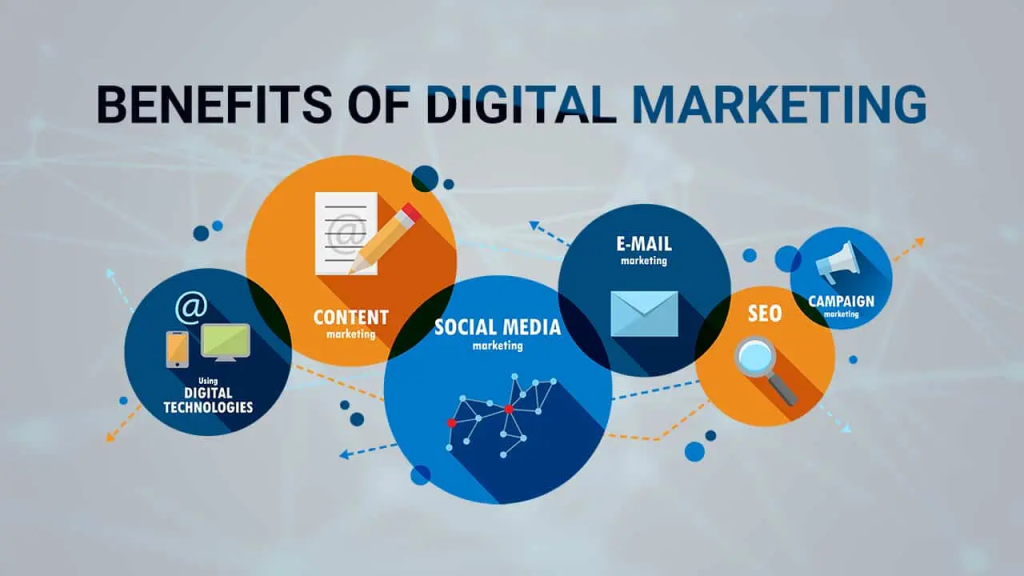
In today’s fast-paced, tech-driven world, businesses of all sizes are turning to online platforms to reach their audience, generate leads, and boost sales. The benefits of digital marketing are undeniable—it offers measurable results, cost-effective strategies, and global reach like no other traditional method. Whether you’re a small startup or an established brand, understanding how digital marketing can transform your business is key to staying ahead in the competition. In this blog, we’ll explore the top benefits of digital marketing and why it should be an essential part of your growth strategy. 1. Cost-Effective Compared to Traditional Marketing One of the key benefits of digital marketing is that it is highly cost-effective compared to traditional marketing methods. Unlike TV, radio, or print advertisements which require a large budget, digital marketing allows businesses to promote their products or services at a fraction of the cost. Strategies such as social media marketing, email campaigns, and search engine optimization (SEO) offer high returns with minimal investment. This makes it especially advantageous for small businesses and startups. With better budget control and measurable results, digital marketing ensures that every rupee spent reaches a targeted audience and contributes to business growth. 2. Measurable Results and Real-Time Tracking One of the major benefits of digital marketing is the ability to achieve measurable results and perform real-time tracking. Unlike traditional marketing, digital strategies such as Google Analytics, social media insights, and email marketing reports provide detailed performance data. Businesses can track metrics like clicks, impressions, conversions, bounce rates, and more instantly. This enables marketers to evaluate the success of their campaigns, make data-driven decisions, and optimize performance on the go. Real-time tracking helps in understanding customer behavior and improving ROI, making digital marketing a powerful tool for achieving precise and timely outcomes. 3. Targeted Audience Reach A key benefit of digital marketing is its ability to reach a targeted audience with precision. Unlike traditional marketing, which broadcasts messages to a broad audience, digital marketing allows businesses to segment their audience based on factors like age, location, interests, behavior, and more. With tools such as Google Ads, social media advertising, and email marketing, businesses can tailor their messages to specific customer groups. This increases the chances of engagement, conversions, and customer satisfaction. Reaching the right people at the right time not only improves efficiency but also maximizes marketing results and ROI. 4. Improved Customer Engagement One of the significant benefits of digital marketing is improved customer engagement across various online platforms. Through channels like social media, email marketing, live chat, and interactive content, businesses can directly communicate with their audience in real time. This two-way interaction builds trust, strengthens relationships, and encourages customer loyalty. Digital marketing also allows for personalized experiences, such as tailored offers and content based on user behavior. Engaging with customers regularly not only enhances brand awareness but also increases the likelihood of conversions, making digital marketing a powerful tool for long-term customer satisfaction and business growth. 5. Higher ROI (Return on Investment) One of the most valuable benefits of digital marketing is achieving a higher ROI (Return on Investment) compared to traditional methods. Digital marketing strategies like SEO, PPC advertising, email campaigns, and social media marketing allow businesses to reach their audience efficiently with lower costs. With detailed analytics and performance tracking, marketers can optimize campaigns for better results and minimal waste. The ability to target specific demographics, monitor campaign performance, and adjust strategies in real time contributes to increased conversion rates and higher profitability. This makes digital marketing a cost-effective and results-driven solution for businesses of all sizes. 6. Increased Brand Visibility One of the key benefits of digital marketing is increased brand visibility across multiple online platforms. With the help of SEO, social media marketing, content marketing, and online advertising, businesses can reach a wider audience and strengthen their online presence. Being active on platforms like Google, Facebook, Instagram, and YouTube helps brands stay top-of-mind for potential customers. Digital marketing also enables consistent brand messaging and engagement, which builds trust and recognition over time. As more people discover and interact with your brand online, visibility grows—leading to higher traffic, better conversions, and long-term business success. 7. Global Market Reach One of the outstanding benefits of digital marketing is the ability to achieve a global market reach. Unlike traditional marketing, which is often limited by geography and high costs, digital marketing enables businesses to connect with audiences around the world through channels like websites, social media, email campaigns, and search engines. Whether you’re a small local business or a large enterprise, digital strategies like SEO, PPC, and content marketing allow you to showcase your brand to international markets. This global exposure opens up new opportunities for growth, customer acquisition, and brand recognition on a worldwide scale. 8. Easy to Adapt and Scale A major benefit of digital marketing is that it is easy to adapt and scale according to business needs. Unlike traditional marketing methods that require fixed budgets and lengthy planning, digital marketing offers flexibility. Campaigns can be quickly adjusted based on performance, customer behavior, or market trends. Whether you’re running Google Ads, social media campaigns, or email marketing, you can scale efforts up or down in real-time. This adaptability ensures that businesses can respond to changes efficiently, test new strategies, and allocate budgets wisely—making digital marketing a smart, agile solution for sustainable growth. 9. Better Conversion Rates Gaining a competitive advantage is one of the powerful benefits of digital marketing. In today’s fast-paced digital world, businesses that leverage online marketing tools like SEO, social media, email campaigns, and data analytics can stay ahead of the competition. Digital marketing allows you to reach your target audience faster, engage with customers in real-time, and adapt strategies based on current trends and performance metrics. With the ability to monitor competitors, personalize messaging, and respond quickly to market changes, businesses can build stronger brand awareness, attract more customers, and outperform competitors—making digital marketing essential for long-term success. 10. Competitive Advantage One of the significant benefits

Scroll to Top