
In today’s digital world, businesses need to stay connected with their audience across multiple platforms. Among all the digital channels, email continues to be one of the most reliable and cost-effective ways to engage customers. An effective Email Marketing Strategy can help you build trust, drive traffic, nurture leads, and increase conversions.

What Is an Email Marketing Strategy?
An Email Marketing Strategy is a planned approach to sending targeted, personalized emails to build relationships and drive conversions. It includes audience segmentation, crafting engaging content, and using email automation tools to streamline campaigns. By setting clear marketing goals and analyzing open rates, click-through rates, and conversion metrics, businesses can refine their approach. A strong Email Marketing Strategy enhances customer engagement, supports lead nurturing, and contributes to overall digital marketing success. When executed effectively, it becomes a cost-effective way to connect with your audience and grow your brand.
🔍 Why Is Email Marketing Still Relevant?
Despite the rise of social media and messaging apps, a strong Email Marketing Strategy remains one of the most effective ways to reach your audience. With high ROI, personalized communication, and direct inbox access, email is unmatched in driving customer engagement. It enables targeted email campaigns, supports automated workflows, and allows for detailed performance tracking through open rates, CTR, and conversion metrics. Email also plays a key role in lead nurturing and customer retention, making it a crucial component of any digital marketing plan.
With so many platforms like social media and instant messaging, many wonder if email is still effective. The answer is a resounding yes. Here’s why:
- Direct Communication: Emails land straight in the user’s inbox.
- High ROI: On average, email generates $42 for every $1 spent.
- Personalization: You can tailor messages to user interests and behavior.
- Automation: You can schedule campaigns, set up triggers, and run funnels effortlessly.
Components of a Successful Email Marketing Strategy
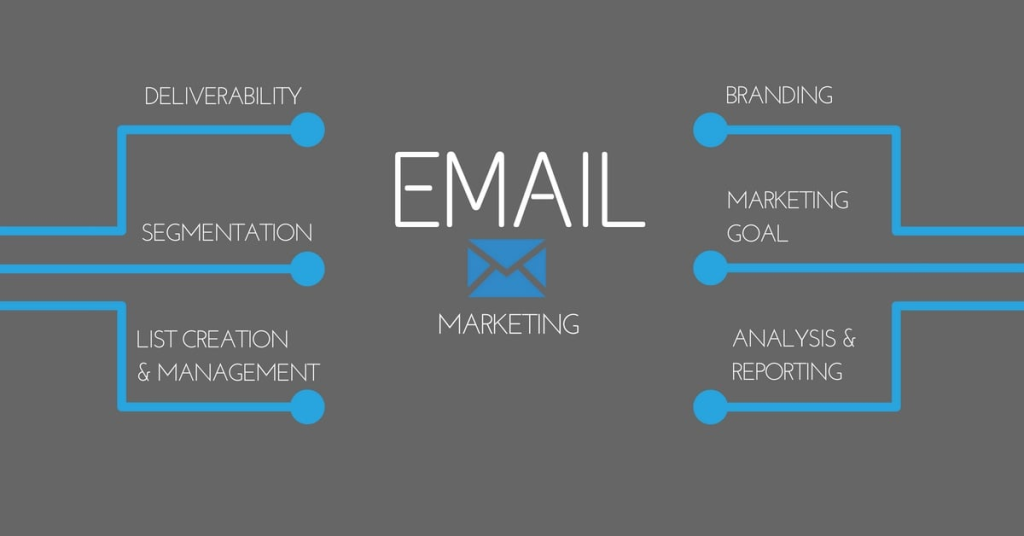
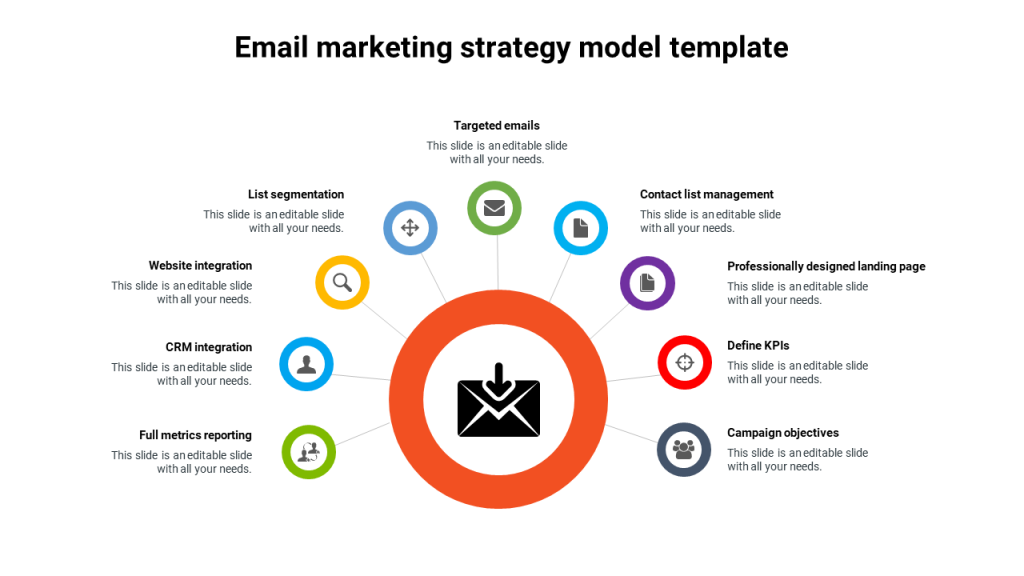
A strong Email Marketing Strategy includes several essential components that drive performance and engagement. It begins with audience segmentation, allowing marketers to send targeted email campaigns based on behavior or interests. Crafting personalized email content boosts open and click rates, while using email automation tools ensures timely delivery and consistency. Setting clear marketing goals, implementing A/B testing, and tracking key metrics like open rates and CTR are crucial for continuous improvement. By focusing on list building, content planning, and campaign analysis, your strategy becomes more effective and results-driven.
To build an impactful Email Marketing Strategy, consider these key components:
1. Define Your Goals
Know what you want—brand awareness, traffic, sales, or lead nurturing. Every campaign should align with a measurable objective.
2. Build and Segment Your Email List
Segmenting your list allows you to target users based on behavior, preferences, or demographics. This improves open and click-through rates.
3. Craft Compelling Content
Your subject line should spark curiosity, and your email content must offer value. Use strong CTAs, relevant visuals, and mobile-friendly design.
4. Automate Where Possible
Use automation tools to send welcome emails, abandoned cart emails, birthday wishes, and follow-ups. This is crucial for scaling your efforts.
5. Measure and Optimize
Track open rates, click-through rates, bounce rates, and conversions. Use this data to improve future campaigns.
With these steps, your Email Marketing Strategy can evolve into a revenue-generating machine.
Benefits of a Strong Email Marketing Strategy
An effective Email Marketing Strategy offers measurable advantages for businesses of all sizes. It improves customer engagement by delivering personalized email campaigns directly to inboxes. With email automation, brands can nurture leads, increase conversion rates, and enhance customer retention. Tracking open rates, CTR, and campaign performance helps marketers make data-driven decisions and optimize future efforts. A well-planned strategy supports brand awareness, drives website traffic, and aligns with your broader digital marketing goals. Compared to other channels, email marketing provides high ROI and fosters stronger, long-term relationships with your audience.
Boosts Engagement
Personalized emails keep your audience informed and involved.
Increases Sales
Promotional emails and discount offers often lead directly to conversions.
Builds Loyalty
Regular emails with helpful content show you care, building long-term customer trust.
Saves Time
Automation tools streamline repetitive tasks, freeing up time for strategy.
Easy Integration
Your Email Marketing Strategy can seamlessly connect with CRMs, social platforms, and ad tools.
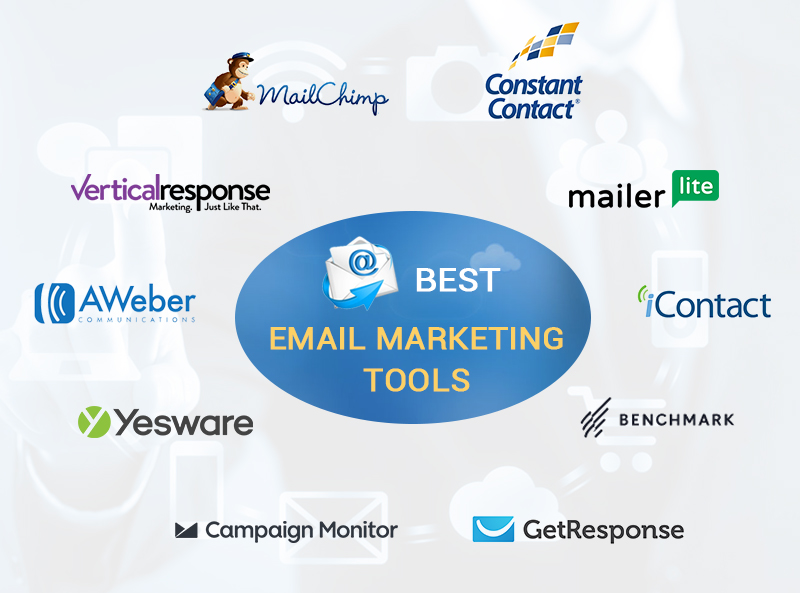
Tools to Support Your Email Marketing Strategy
- Mailchimp: Great for small businesses with user-friendly templates.
- ConvertKit: Popular among content creators for its automation features.
- Moosend: Affordable and powerful for bulk email campaigns.
- HubSpot: An all-in-one marketing platform with advanced segmentation and analytics.
Conclusion
Creating a powerful Email Marketing Strategy isn’t just about sending emails—it’s about building relationships. With the right goals, tools, and techniques, you can stay connected, drive results, and grow your business steadily.
Are you ready to take your digital marketing skills to the next level?
👉 Visit the Chethan Digital Academy Contact Form and get personalized training on email marketing, automation, and the best strategies for your business. Our team will guide you in building campaigns that deliver real engagement and results.