
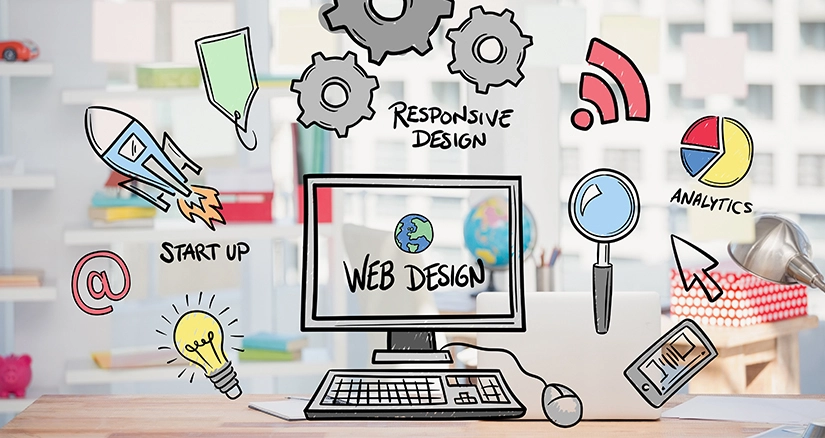
In today’s digital age, your website is often the first impression customers get of your brand. That’s why Web Design in Digital Marketing for Better Results is not just a trend—it’s a necessity. A well-designed website doesn’t just look good; it performs well, ranks high in search engines, and converts visitors into loyal customers.
Web design is the foundation of your digital presence. From layout and color schemes to navigation and mobile responsiveness, every detail influences how users interact with your content. A strategic design helps your marketing campaigns succeed by improving user experience and supporting your brand message.
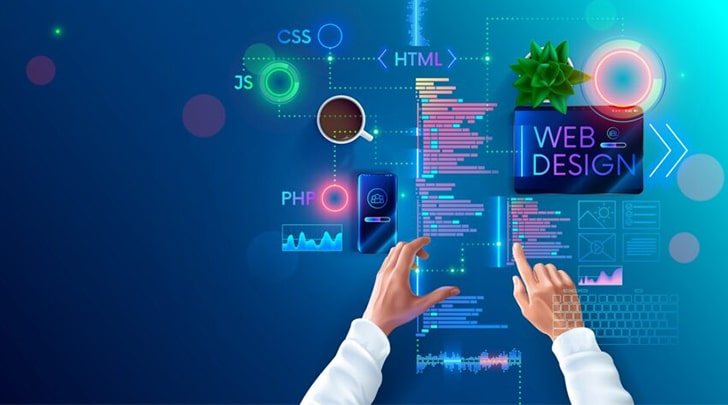
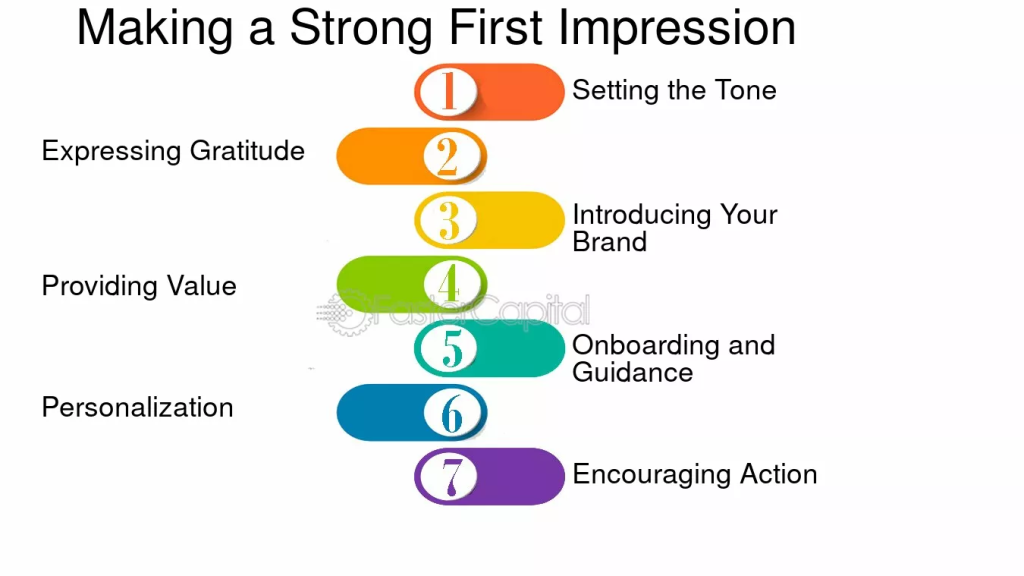
1. A Strong First Impression Drives Engagement
In digital marketing, web design plays a critical role in making a strong first impression that drives user engagement. Your website is often the first point of contact between your brand and potential customers. A visually appealing, user-friendly, and responsive design immediately captures attention and encourages visitors to explore further. Key elements like fast loading speed, clear navigation, and mobile optimization enhance user experience and reduce bounce rates. A well-designed website not only builds trust and credibility but also supports your SEO, content marketing, and conversion goals—making web design a vital component of successful digital marketing.
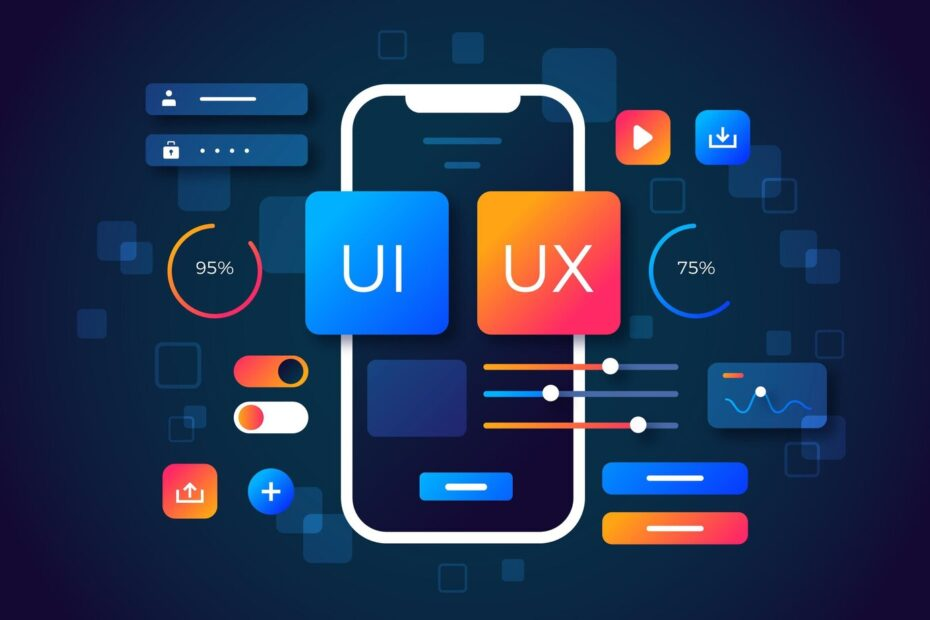
2. User Experience (UX) Is Key to Conversions
In the world of digital marketing, web design must prioritize user experience (UX) to drive conversions. A website that is easy to navigate, visually appealing, and optimized for all devices keeps visitors engaged and encourages them to take action. Good UX design reduces friction in the customer journey, making it simple for users to find information, fill out forms, or make purchases. Elements like fast loading times, intuitive layout, and clear calls-to-action (CTAs) directly impact conversion rates. By focusing on UX, businesses can turn more visitors into leads or customers, making it a crucial part of effective web design in digital marketing.
3. SEO and Web Design Go Hand in Hand
In digital marketing, the connection between SEO and web design is essential for online success. A well-designed website not only attracts visitors visually but also supports search engine optimization efforts. Elements like clean code, mobile responsiveness, fast loading speeds, and structured content improve both user experience and search engine rankings. Proper use of header tags, image optimization, and internal linking within the web design helps search engines crawl and index your site effectively. When SEO and web design work together, your website becomes more visible, drives organic traffic, and enhances overall performance—making them inseparable in successful digital marketing strategies.
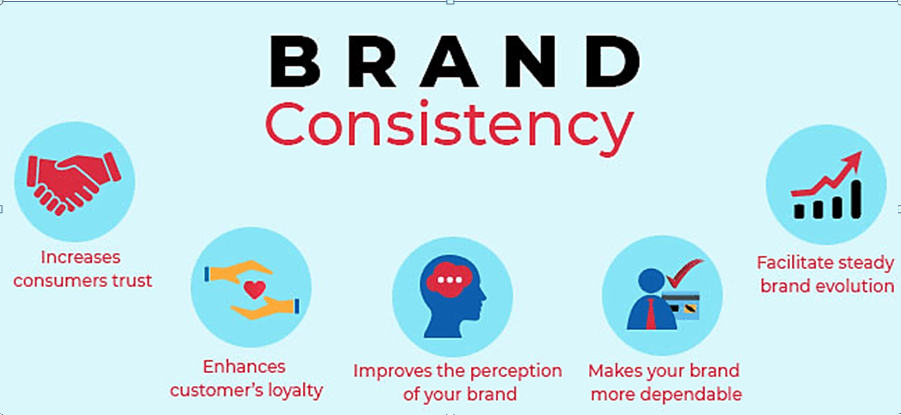
4. Consistent Branding Builds Trust
In digital marketing, web design plays a vital role in delivering consistent branding, which is key to building trust with your audience. From color schemes and typography to logos and messaging, every visual element on your website should reflect your brand identity. A consistent design across all pages creates a professional and reliable image, helping visitors feel confident in your products or services. When users recognize and relate to your brand visually and emotionally, they are more likely to engage, return, and convert. Strong, consistent branding through web design strengthens credibility and supports long-term digital marketing success.
5. Conversion Elements That Work
In digital marketing, effective web design includes key conversion elements that guide users toward taking action. These elements include clear and compelling calls-to-action (CTAs), easy-to-use contact forms, trust signals like testimonials and reviews, and strategically placed buttons that encourage clicks. A clean layout, persuasive copy, and optimized visuals help reduce distractions and keep the user focused on the goal. Whether it’s signing up for a newsletter, making a purchase, or filling out a form, well-designed conversion elements enhance user experience and boost results. Integrating these features into your web design is essential for successful digital marketing campaigns.

6. Mobile-First Design Is the Future
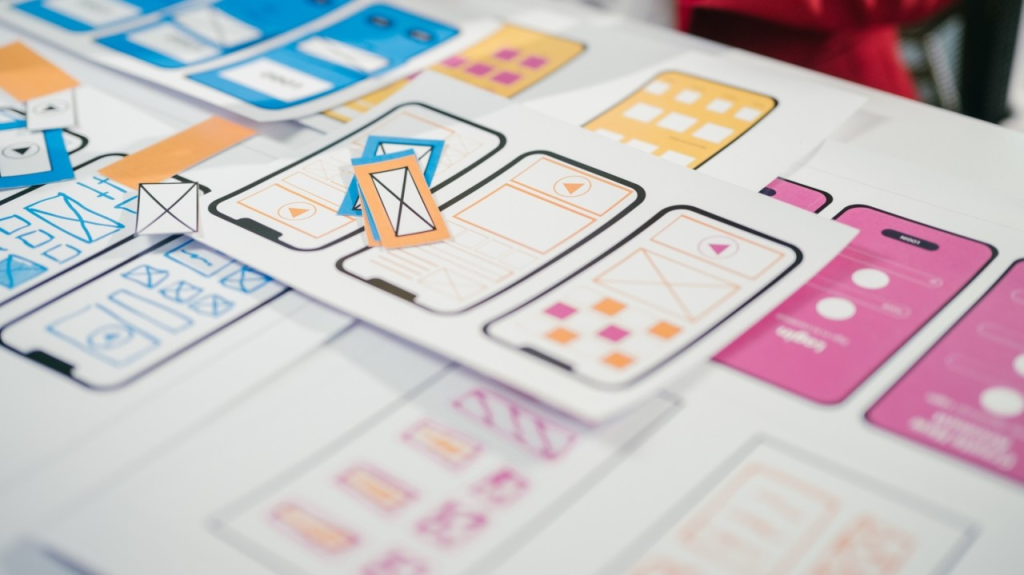
In today’s digital world, mobile-first design is a crucial trend in web design in digital marketing. With the majority of users accessing websites through smartphones and tablets, designing for mobile devices first ensures a seamless experience across all screen sizes. A mobile-first approach prioritizes responsive layouts, fast loading times, and touch-friendly navigation—improving user experience and reducing bounce rates. It also positively impacts SEO, as search engines like Google favor mobile-optimized websites in search rankings. Embracing mobile-first design not only meets user expectations but also strengthens your digital marketing efforts by increasing engagement and conversions.
Conclusion
In today’s fast-paced digital world, your website can either be your strongest marketing asset or your biggest weakness. Prioritizing Web Design in Digital Marketing for Better Results ensures that your site is optimized not only for beauty but also for performance, search engines, and conversions.
If you want to build a high-performing website that supports your digital marketing efforts and brings real business results, Chethan Digital Academy is here to help you.
👉 Visit our Contact Form and get in touch with our expert team. We’ll guide you step by step to create a powerful, conversion-ready website tailored to your business.
Contact Chethan Digital Academy today—and let your web design for better results!